

Category: Sustainable dining
Farm-to-fork has reshaped the way we think about food, highlighting ethical sourcing and mindful consumption. It encourages a deeper appreciation for fresh, seasonal ingredients and their origins. Continue reading to discover how this approach influences every stage of the culinary journey.
Gaining a Deeper Appreciation for the Farm-to-Fork Ethos
Gaining a deeper appreciation for the farm-to-fork ethos begins with understanding the journey of every ingredient. From careful cultivation on farms to thoughtful preparation in kitchens, each stage demands transparency and accountability. This philosophy encourages sourcing that is ethical, sustainable, and mindful of local communities.
Chefs and diners alike benefit from ingredients that travel shorter distances and retain peak freshness. Beyond logistics, it represents a conscious commitment to health, environmental stewardship, and culinary integrity. By embracing this mindset, every meal becomes a reflection of respect for people, nature, and the craft of fine dining.
How the Farm-to-Fork Movement Has Quietly Transformed Over Time
How the movement has quietly transformed over time reflects shifts in consumer awareness and culinary values. Initially, dining locally was a simple preference, but environmental concerns and chemical usage elevated the conversation. Worries over pesticides and foodborne outbreaks prompted both producers and diners to reconsider the origins of every ingredient.
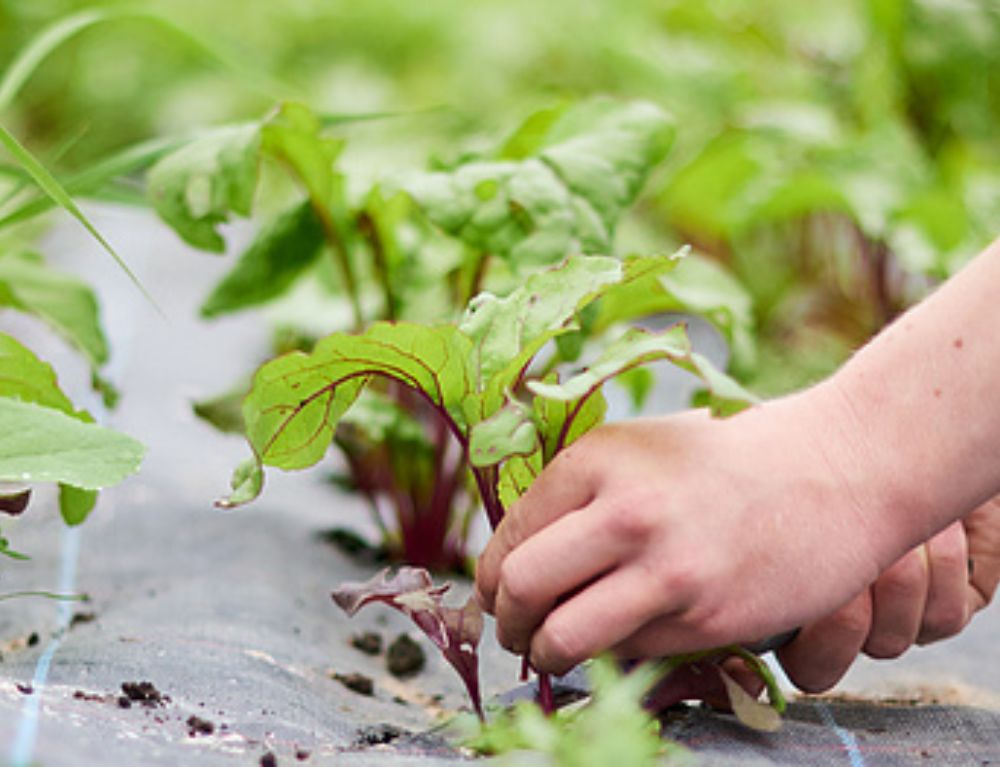
Organic cultivation gained traction as people demanded transparency and safer food. Sustainability emerged as a guiding principle, linking daily choices to climate impact and reduced waste. Policy initiatives, such as the European Union’s Strategy in 2020, formalized these efforts with concrete goals for responsible agriculture.
Chefs and restaurants increasingly embraced local sourcing to ensure freshness and ethical integrity. The movement now represents not only a sourcing strategy but also a cultural shift, blending culinary artistry with accountability, health, and environmental stewardship. Diners today experience meals that are conscious, flavorful, and rooted in place.
The Foundational Principles Guiding Farm-to-Fork Dining
Commitment to Sustainability
Sustainability stands at the heart of the this philosophy, guiding every choice within the culinary process. Practices like regenerative agriculture, organic cultivation, and careful water management ensure ingredients are responsibly produced. Efforts to reduce pesticide use and limit nutrient loss reflect a commitment to preserving ecosystems and supporting biodiversity.
The European Union’s Strategy sets ambitious targets, aiming to cut chemical pesticides by half and mitigate environmental impact by 2030. This dedication creates a dining experience where every dish embodies ethical sourcing, environmental stewardship, and respect for both nature and community.
Celebrating Local Sourcing
Local sourcing is essential to the farm-to-fork philosophy because it guarantees fresher ingredients and strengthens regional communities. Choosing nearby farms also minimizes transportation emissions, creating a dining experience rooted in environmental care and ethical responsibility.
Ensuring Food Safety and Transparent Traceability
Ensuring food safety and traceability is central to the philosophy. By maintaining strict sanitation and precise temperature control, both ingredients and diners are protected. Transparent labeling of origins reinforces trust throughout the supply chain. These measures work together with traceability systems to provide immediate information during recalls. Consequently, every dish reflects careful sourcing and accountability.
Prioritizing Health and Nutritional Integrity
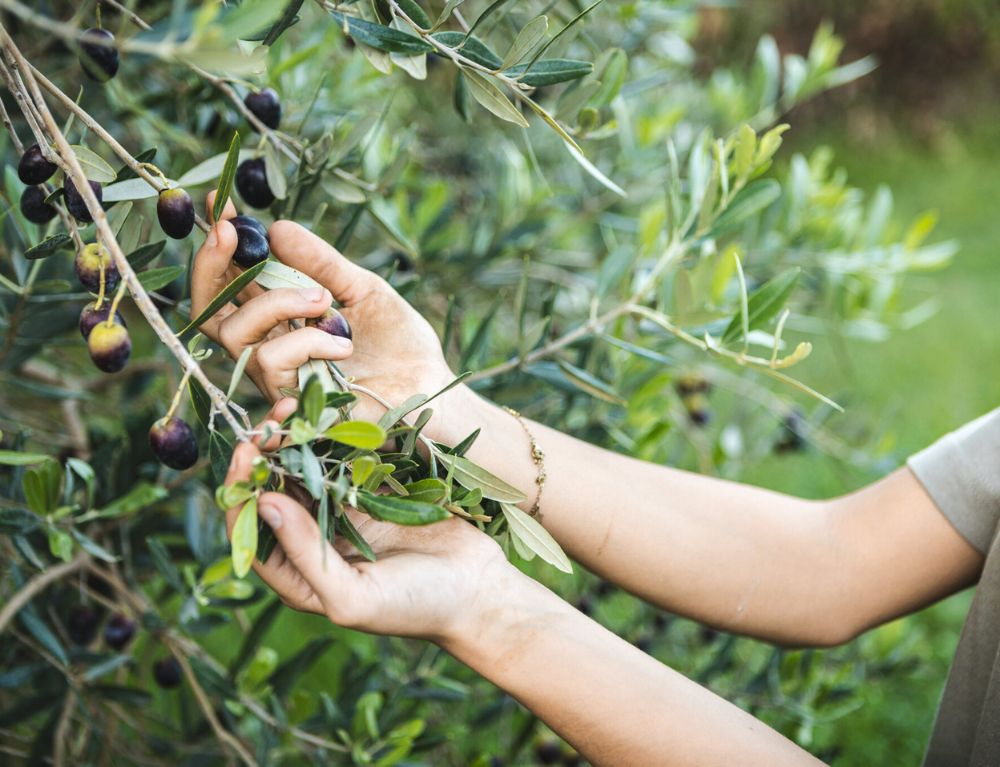
Prioritizing health and nutritional integrity lies at the core of the ethical philosophy. Shorter supply chains provide fresher, nutrient-rich ingredients that support balanced diets. Emphasizing whole foods reduces reliance on processed items and aligns with public health goals. Consequently, each dish nurtures both wellbeing and culinary excellence.
How Farm-to-fork Shapes Each Stakeholder in the Culinary Ecosystem
A New Chapter for Growers and Producers
Farm-to-fork creates new opportunities and challenges for farmers and producers. Direct-to-consumer channels increase revenue potential, while heightened transparency and compliance with safety and sustainability standards demand careful attention.
A Shift in Approach for Retailers and Distributors
Retailers and distributors are reshaping their operations to source more locally and transparently. Partnerships with farms and regional hubs enable fresher products and faster logistics.
Chefs and Restaurants
Chefs and restaurants are embracing it as a guiding culinary philosophy. Menus often highlight seasonal ingredients and acknowledge the farms where produce originates. Some establishments even cultivate their own gardens to deepen the connection between kitchen and land.
Enriching the Experience for Modern Diners
For consumers, this approach delivers fresher, healthier meals with transparent origins. It also encourages ethical choices that support local communities, animal welfare, and sustainability.
What Makes Farm-To-Fork Truly Different From Farm-To-Table Restaurants?
What sets farm-to-fork apart from traditional farm-to-table restaurants lies in its holistic approach and attention to every stage of the food journey. While farm-to-table primarily emphasizes sourcing local ingredients for a single kitchen, this approach ensures transparency and ethical practices throughout cultivation, processing, distribution, and preparation.
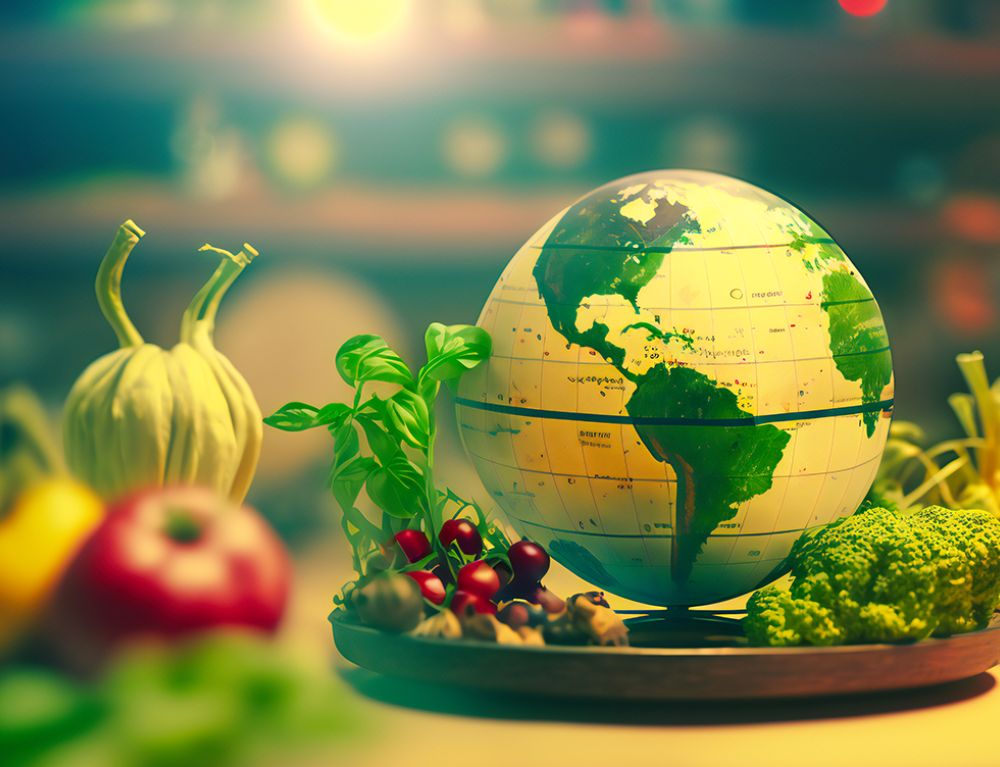
Chefs and restaurants engaging with this model often collaborate with multiple local producers and distributors, guaranteeing quality, freshness, and seasonal authenticity. Stringent food safety measures and clear labeling allow diners to understand exactly where each component originates, enhancing trust and appreciation for the meal. Beyond sourcing, this philosophy encourages sustainability, supports regional economies, and prioritizes nutrition in ways that extend far beyond the plate.
As a result, dining under this framework transforms each meal into a considered experience, connecting consumers with the land, the farmers, and the values behind every ingredient. It is an approach that not only celebrates taste but also cultivates respect for the broader food ecosystem.
Farm-to-fork represents more than a trend; it embodies a thoughtful journey from ethical sourcing to exceptional dining experiences. This approach ensures sustainability, transparency, and a deep connection between chefs, farmers, and diners. Don’t forget to experience exquisite Vietnamese-inspired fine dining at Tales by Chapter.
_________
Tales by Chapter
The first zero waste plant-based dining in Vietnam
Add: 10 Nguyen Thanh Y, Tan Dinh, Ho Chi Minh City
Hotline: +84 368 150 125
E-mail: reservation@talessgn.com – Reservation
Opening hours: 7.00pm – 11.00pm (Closed Sunday)