

What Is Tonburi? Decoding the Celebrated “Land Caviar” in Tales Saigon’s Fine-Dining Experience
In the upper echelons of modern fine dining, the definition of luxury is rapidly evolving. It no longer relies solely on conventional delicacies like rare white truffles or Beluga sturgeon caviar. Increasingly, profound culinary experiences are born from quiet, unexpected discoveries in nature. One such ingredient currently captivating visionary chefs and discerning epicureans alike is Tonburi – a remarkable plant-based gem known for its ability to awaken the palate in subtle yet unforgettable ways.
But what exactly is Tonburi, and how did a humble plant seed earn the poetic moniker of “land caviar”? Let’s explore the allure of this extraordinary ingredient, particularly through the sophisticated lens of Tales Saigon’s Season 2 (SS2) degustation menu.
What Exactly Is Tonburi? Unearthing the Origins of “Land Caviar”
Tonburi is meticulously crafted from the dried seeds of the summer cypress plant (Kochia scoparia). Historically, its cultivation and painstaking preparation have been deeply rooted in the pristine environment of Akita Prefecture, Japan. These tiny, jet-black pearls resemble primitive, polished gemstones and have traveled far beyond their regional Japanese origins to secure a coveted place in the world’s most refined kitchens.
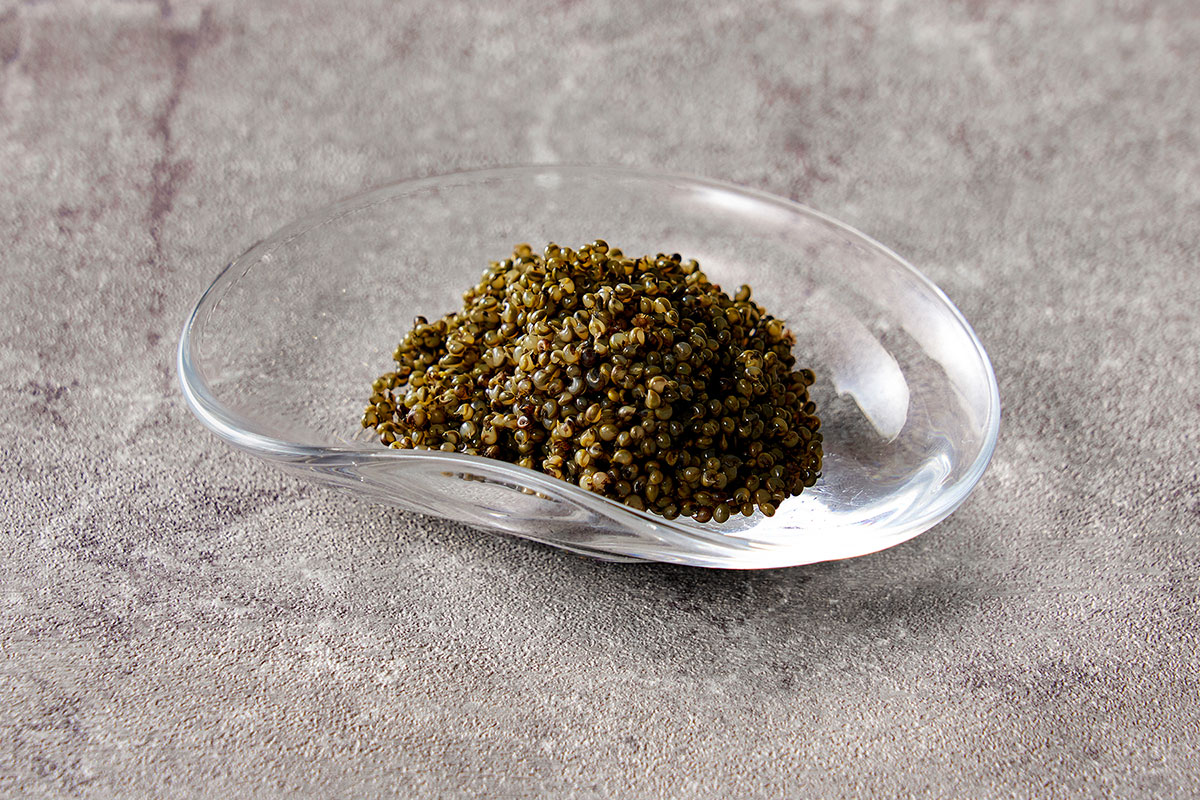
The moniker “land caviar” is no exaggeration. Visually, Tonburi possesses the identical glossy, dark allure of premium sturgeon roe. However, its true value lies in offering a highly sustainable, plant-forward alternative that aligns perfectly with contemporary gastronomy’s shift toward ethical and eco-conscious luxury.
Texture Over Taste: The Unique Sensory Profile of Tonburi
While many luxury ingredients boast bold, overpowering flavors, Tonburi’s true genius lies in its mouthfeel. When consumed, each tiny bead delivers a crisp, refreshing crunch followed by a gentle, satisfying “pop” – a tactile sensation remarkably identical to high-end caviar bursting on the tongue.
Flavor-wise, Tonburi is intentionally restrained. It carries a clean, exceptionally neutral profile with only the faintest whisper of herbal earthiness. This culinary humility is exactly why chefs prize it. It acts as an impeccable blank canvas, allowing chefs to build complex architectural dishes. By providing a textural contrast without competing with the primary flavors, it beautifully enhances creamy purées, vibrant gels, and softly cooked fruits.
The Culinary Evolution: From Traditional Japanese Roots to Modern Gastronomy
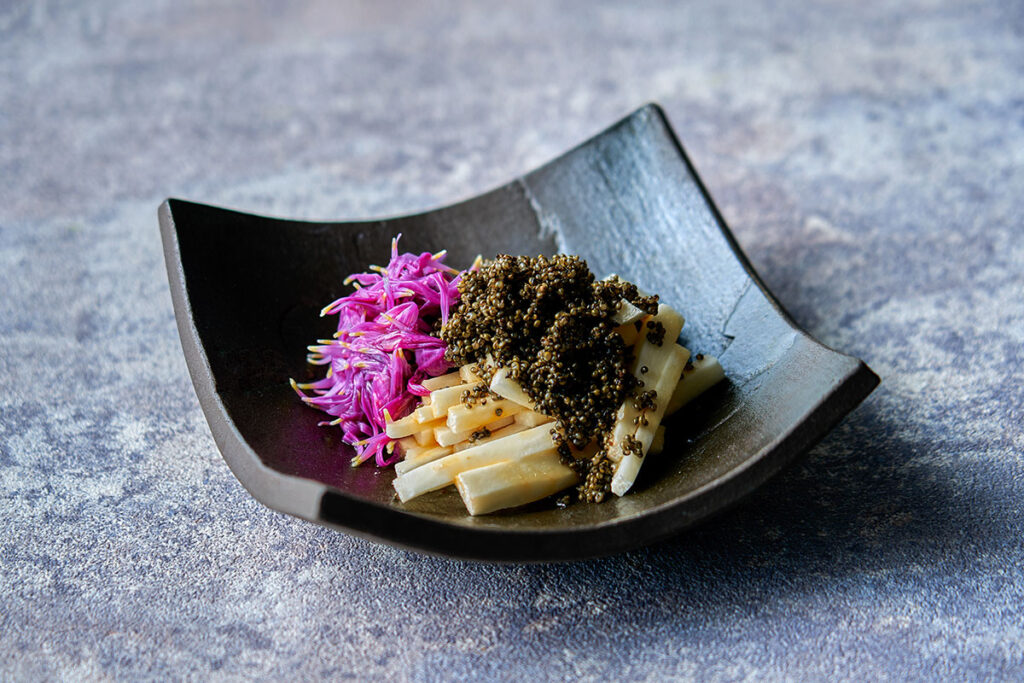
To understand Tonburi’s current prestige, one must look at its journey. In traditional Japanese cuisine, it is celebrated for its simplicity – often served chilled, folded into light salads, or utilized as a delicate garnish to add crunch to subtle dishes.
In the realm of contemporary fine dining, however, Tonburi has been radically reimagined. It has evolved into a highly specialized textural garnish. Particularly within seasonal or plant-based tasting menus, it serves as a secret weapon. It allows chefs to showcase immense technical restraint and modern culinary thinking, proving that a dish’s success relies just as much on physical sensation as it does on taste.
A Symphony of Local Terroir: Tonburi in the “Sunrise” Amuse-Bouche at Tales Saigon
At Tales Saigon, every plate is conceived as a vivid narrative told through flavor and aroma. On the critically acclaimed SS2 menu, Tonburi takes on a refined, essential supporting role in the opening snack, “Sunrise” – a meticulously composed one-bite amuse-bouche designed to transport the diner in a single moment.
The Earthy Tart Shell
The foundation of the dish is a delicate tart shell crafted entirely from beetroot. This not only delivers a vivid, dawn-like crimson hue to the presentation but also grounds the bite with a gentle, earthy sweetness that echoes the soil.
The Multi-Layered, Seasonal Filling
Inside the shell rests a bold interplay of Vietnamese terroir:
- The Fruit: Smoky grilled pineapple meets late-season Dalat persimmon, finely diced to maintain their structural integrity.
- The Fermentation: The fruit is enveloped in a vibrant Citrus Koji sauce – a complex, fermented nectar crafted from bright citrus peels, umami-rich koji mold, and a subtle kick of chili.
- The Accents: The richness of roasted coconut, the sharp, crisp acidity of pickled kohlrabi, and the uplifting aromatics of French mint (bạc hà chanh sả) create a whirlwind of contrasting notes.
Tonburi’s Key Role as the Catalyst
Hidden within this incredibly complex filling, Tonburi acts as the dish’s textural catalyst. As the diner bites into the snack, the Tonburi introduces playful, popping bursts that cut through the softness of the roasted fruit and temper the lingering spice and acidity of the Citrus Koji. It evokes the sheer indulgence of caviar while remaining fiercely true to a thoughtful, zero-waste, plant-based philosophy. A final delicate dusting of carrot powder completes the masterpiece.
Conclusion: The Quiet Luxury of Tonburi
Tonburi is not an ingredient that overwhelms with intensity at first bite. Instead, it embodies quiet sophistication – a stillness that reveals itself through texture, balance, and intention. Its presence at Tales Saigon does more than refine a dish’s structure; it reflects a deeply contemporary culinary mindset.
Placed with care, this humble “land caviar” leaves a lasting echo – proof that true luxury often speaks in whispers, not shouts.
Visit Tales Saigon and discover Tonburi’s subtle, refined burst for yourself – where art, seasonality, and modern plant-forward cuisine meet on the plate.