

Rice Dumpling Cake – A Traditional Dish in Vegan Fine Dining Context
Rice dumpling cake is not very well-known for its vegan version. However, Tales By Chapter has transformed traditional taste into delicious plant-based one, which represents farm-to-table philosophy. Let’s discover the meaningful story behind this highlight in the Tales By Chapter’s fine dining menu.
The Origin of Banh Bot Loc And its Revolution
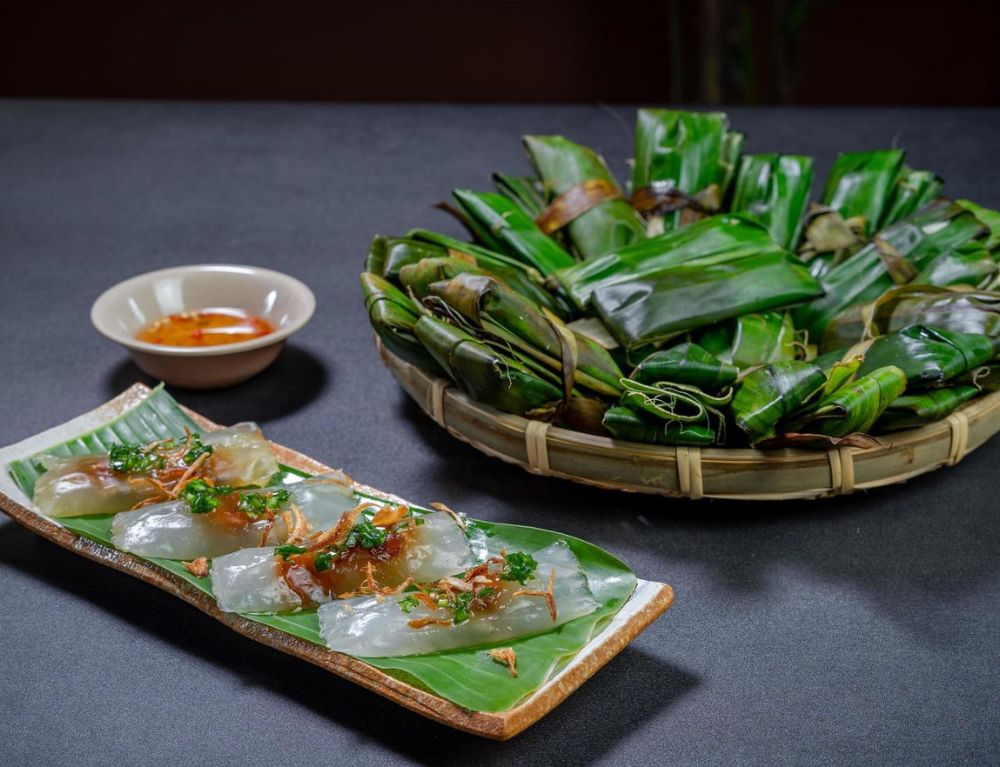
Rice dumpling cake was born in Central Vietnam, crafted by home cooks who valued balance, warmth, and honest ingredients. In the early days, families mixed fresh shrimp, tender pork, and tapioca flour to form soft, translucent dumplings. The dish began as a humble comfort food yet soon grew into a proud expression of local craftsmanship and care.
As it traveled across regions, it adapted to new ingredients and inspired countless variations rooted in regional traditions. Some renditions highlight the freshness of shrimp from coastal towns, while others embrace the sweetness of earthy vegetables. Each one, no matter how different, preserves the same sincerity and affection that define Vietnamese home cooking.
Beyond its flavor, the dish reflects a rhythm of life – slow, patient, and deeply connected to the spirit of sharing. In both quiet villages and bustling city markets, the sight of steaming dumplings evokes warmth and familiarity. Chefs today breathe new life into this heritage, transforming it into refined expressions of modern Vietnamese gastronomy.
Why Does Vietnamese Rice Dumpling Cake Hold Cultural Significance?
Rice dumpling cake holds a cherished place in Vietnamese culinary heritage. More than a traditional dish, it carries the warmth of family and the essence of home. Each delicate piece reflects patience, precision, and the quiet beauty of everyday life. Made from tapioca flour, vegetables, and legumes, its simplicity speaks of authenticity rather than extravagance. In Quang Binh, this humble delicacy embodies local pride and deep cultural connection.
Families often gather to prepare it together, turning a simple meal into a shared celebration. The soft, translucent texture offers both comfort and nostalgia in every bite. Its flavors unfold gently, revealing balance and harmony rather than intensity. Through time, the recipe has evolved while preserving its emotional resonance.
Rice Dumpling Cake – A Signature at Tales By Chapter
Coming to Tales by Chapter, diners have a chance to enjoy special banh bot loc. Its specialness lies in the fact that chefs adapt ingredients to vegan fine dining contexts.
Vegan Ingredients at Their Peak
At Tales, the rice dumpling cake is reimagined through the language of the season’s freshest ingredients. Inspired by drizzling afternoons, the dish recalls soft chewy dough and the warmth of a delicate dipping sauce. Luffa and crown daisy are chosen to highlight tropical freshness with their tender texture and bright herbal notes. The luffa is lightly cooked to stay silky, while the raw crown daisy adds crisp sweetness and subtle bitterness.

A vegan fish sauce made from coconut nectar and soybeans offers natural umami and a softly lingering heat. Every element speaks in balance, blending sweet, salty, spicy, and fresh, like rain awakening the scent of soil in Saigon. Here, the familiar one becomes a tribute to Vietnamese purity and the beauty of seasonal simplicity.
The Art Behind Culinary Technique
At Tales, rice dumpling cake highlights the precision of Vietnamese culinary artistry, where each detail reveals quiet dedication. The dough is kneaded until smooth and elastic, soft enough to hold the filling yet firm enough to keep its shape. Timing during steaming must be exact to preserve its clarity and the subtle chew that defines perfect texture.
A few seconds too long can make the surface cloudy and cause the dumpling to lose its refined structure. The sauce balances salt, sweetness, and heat, bringing out the depth of flavor without overwhelming the natural ingredients. Temperature control remains essential so the luffa stays bright and the chrysanthemum greens retain their gentle aroma.
Every placement on the plate is intentional, guiding the senses through form, color, and composition before the first taste. Each phase of cooking demands patience and focus because precision alone brings harmony to flavor and texture. Through these practices, Tales turns a familiar rice dumpling into a thoughtful reflection of culinary refinement.
Why Does Rice Dumpling Cake Appears in The Fine Dining Menu?
For Chef Hùng, this dish recalls the warmth of childhood meals on cool, drizzling afternoons. He remembers the translucent skin, the soft chew, and the gentle comfort shared around a humble family table. At Tales, that memory becomes the foundation for a dish that honors both nostalgia and mindful innovation.
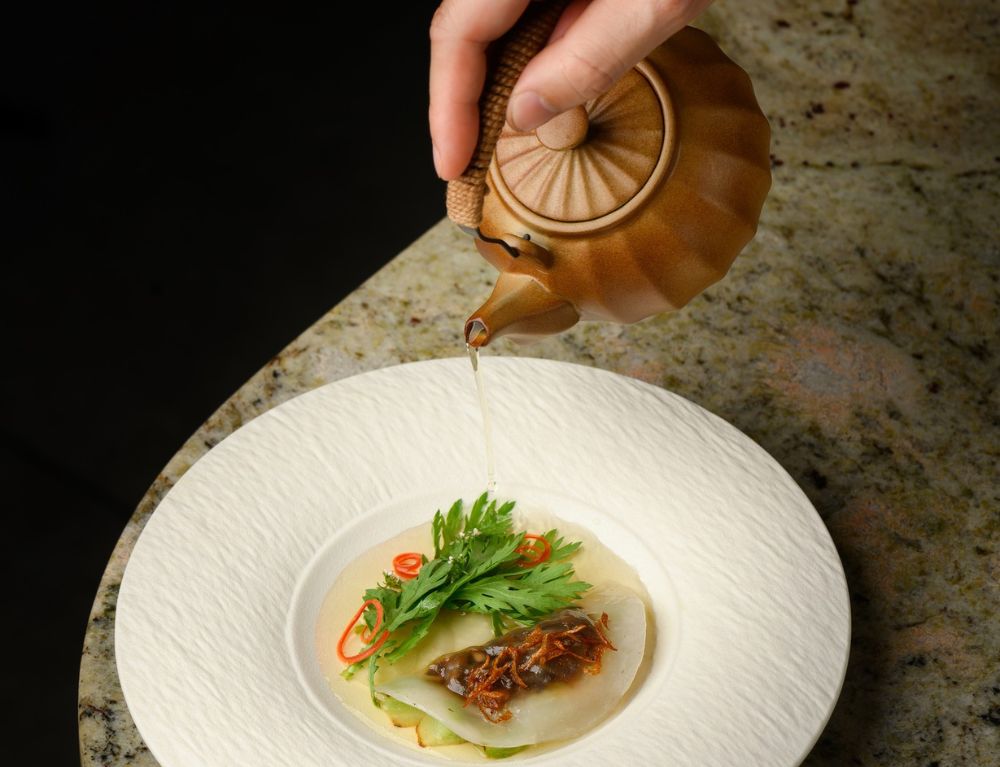
The chef reimagines this traditional delicacy within a farm-to-table philosophy central to the restaurant’s vision. Each element is designed to minimize waste while preserving the integrity of Vietnamese culinary craftsmanship. The filling draws depth from seasonal produce, revealing natural sweetness instead of relying on animal ingredients.
Even the sauce is developed from fermented coconut nectar and soy. It offers warmth that contrasts the rain-soaked calm of Saigon Through precise preparation, the dish reflects a quiet respect for nature and the rhythm of local harvests. Rice dumpling cake embodies the restaurant’s belief that sustainability and elegance can coexist within the same delicate bite. What once symbolized home comfort now shines as a fine dining expression of care, creativity, and conscious refinement.
Rice dumpling cake stands out with chewy texture, translucent skin and refined flavor. It represents connection and togetherness within Vietnamese culinary tradition. Visit Tales By Chapter to enjoy vegan fine dining and uncover the stories behind each meaningful dish.
_________
Tales by Chapter
The first zero waste plant-based dining in Vietnam
Add: 10 Nguyen Thanh Y, Tan Dinh, Ho Chi Minh City
Hotline: +84 368 150 125
E-mail: reservation@talessgn.com – Reservation
Opening hours: 7.00pm – 11.00pm (Closed Sunday)
Opening hours: 7.00pm – 11.00pm (Closed Sunday)

