

Eggplant Dishes: Exploring Plant-Based Cooking
There are ingredients that draw attention, and others that shape a dish more quietly. Eggplant belongs to the latter modest in appearance, yet deeply versatile in the way it absorbs and carries flavor. Across different kitchens, eggplant dishes are defined not by prominence, but by adaptability. It does not seek to stand out, but to become part of something larger, softening, deepening, and evolving with each method of preparation, leaving an impression that is subtle, yet lasting.
What makes Eggplant so unique?
At first glance, eggplant may seem simple. Its structure is soft, almost delicate, and its flavor understated. Yet this simplicity is precisely what gives it strength.
A texture that transforms
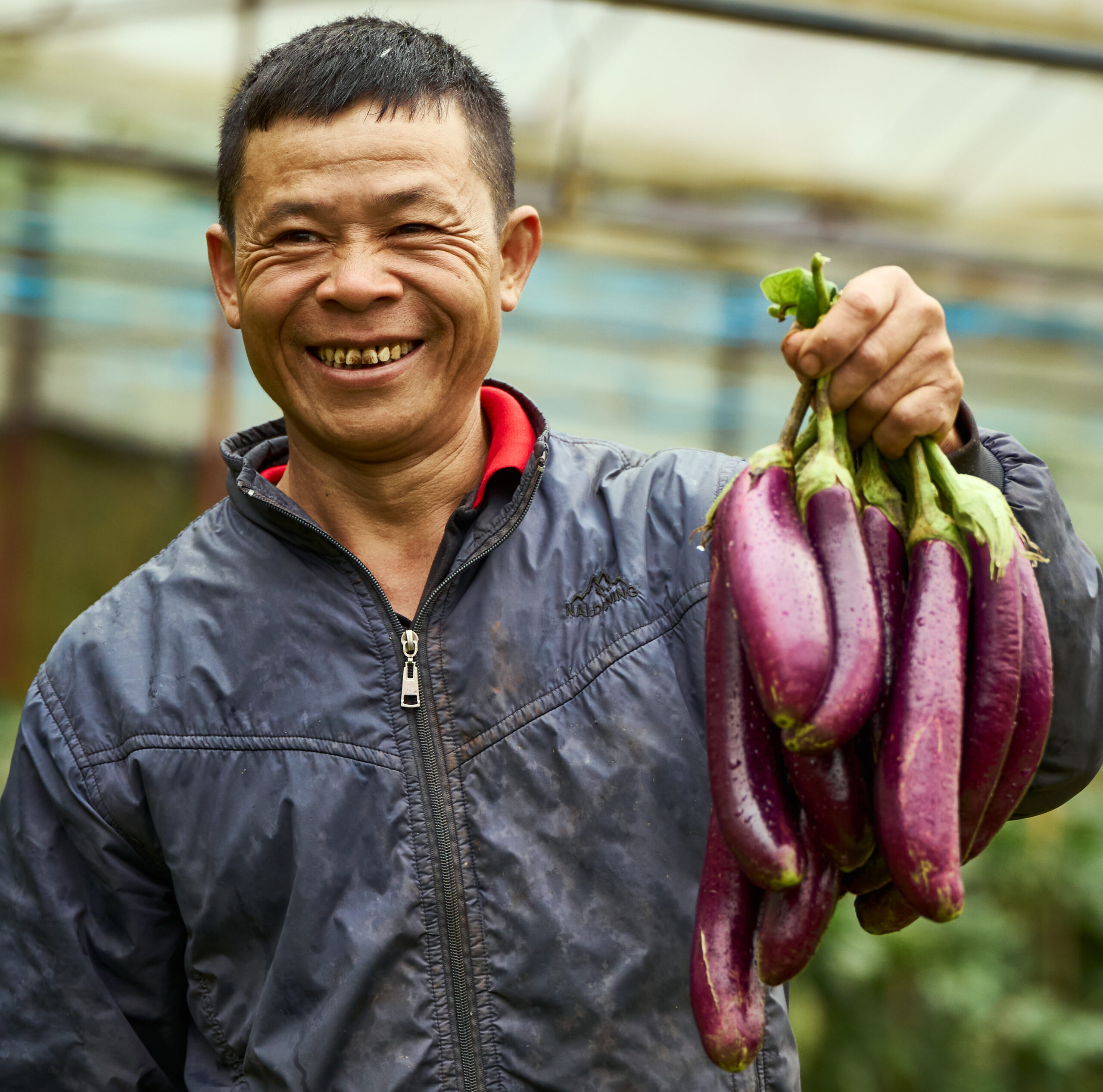
Unlike many vegetables, eggplant changes dramatically depending on how it is cooked. When grilled, it becomes smoky and structured. When roasted, it turns rich and almost creamy. When braised, it absorbs sauces fully, carrying flavor in a way few ingredients can. This ability makes eggplant recipes incredibly diverse, ranging from light plant-based dishes to deeply layered, slow-cooked meals.
A flavor that adapts
Eggplant does not compete with other ingredients. Instead, it enhances them. It absorbs spices, oils, and aromatics, allowing chefs to build complexity without overwhelming the palate. This is why eggplant continues to appear across different cuisines and not as a dominant element, but as a foundation.
Eggplant in Vietnamese Cuisine
In Vietnam, eggplant is often associated with comfort and familiarity. It appears in dishes that are simple in structure but rich in feeling, reflecting a way of cooking that values balance and resourcefulness.
A familiar presence in everyday meals
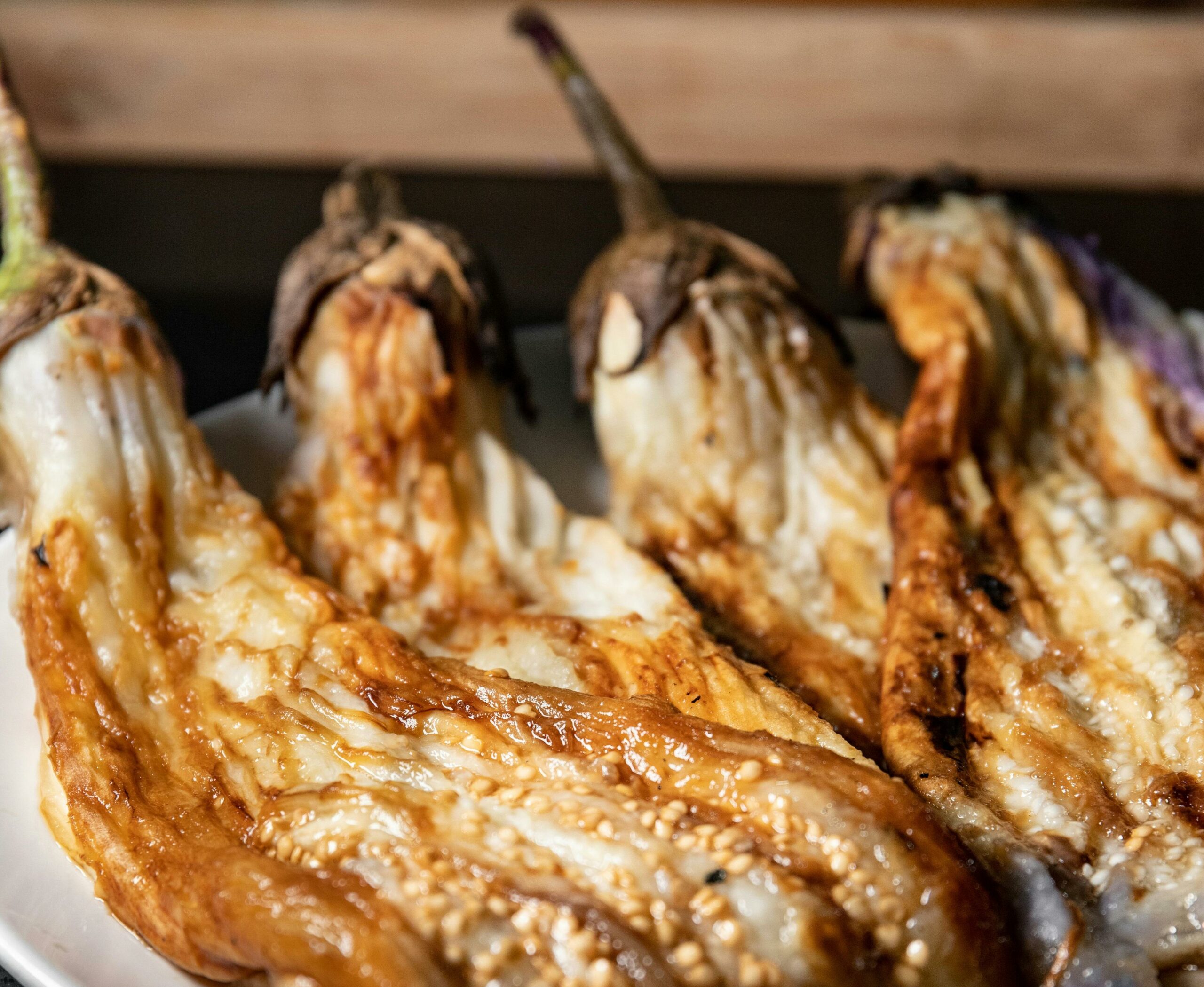
Within eggplant in Vietnamese cuisine, the ingredient is often grilled, braised, or paired with sauces that enhance its natural softness. It is rarely positioned as the highlight, yet it consistently contributes to the overall harmony of the meal.
Cooking with what is available
Vietnamese cooking has long been shaped by seasonality and locality. Eggplant, being widely available, fits naturally into this approach. It represents a way of cooking that makes use of accessible ingredients while still achieving depth and satisfaction.In this sense, eggplant becomes more than just an ingredient it becomes part of a broader culinary mindset.
Eggplant as a foundation for plant-based dishes
As dining habits shift toward more conscious choices, eggplant has taken on a new role. Its ability to create satisfying textures and absorb flavor makes it an essential component of plant-based dishes.
A natural alternative to heavier Proteins
Eggplant can replicate the richness often associated with meat-based dishes, without relying on animal products. Its structure allows it to hold sauces, marinades, and seasoning, making it a strong foundation for plant-forward cooking. A balance of nutrition and flavor makes eggplant a key ingredient in modern plant-based cooking.
Balancing nutrition and flavor
Plant-based cooking often requires a balance between health and satisfaction. Eggplant offers both, it is nutrient-rich, yet capable of delivering depth and comfort when prepared thoughtfully. This balance is what makes it increasingly relevant in modern dining.
The role of Eggplant in sustainable cooking
Sustainability is no longer a secondary consideration in the kitchen. It is becoming central to how ingredients are sourced, prepared, and consumed. In this context, eggplant plays an important role in sustainable cooking.

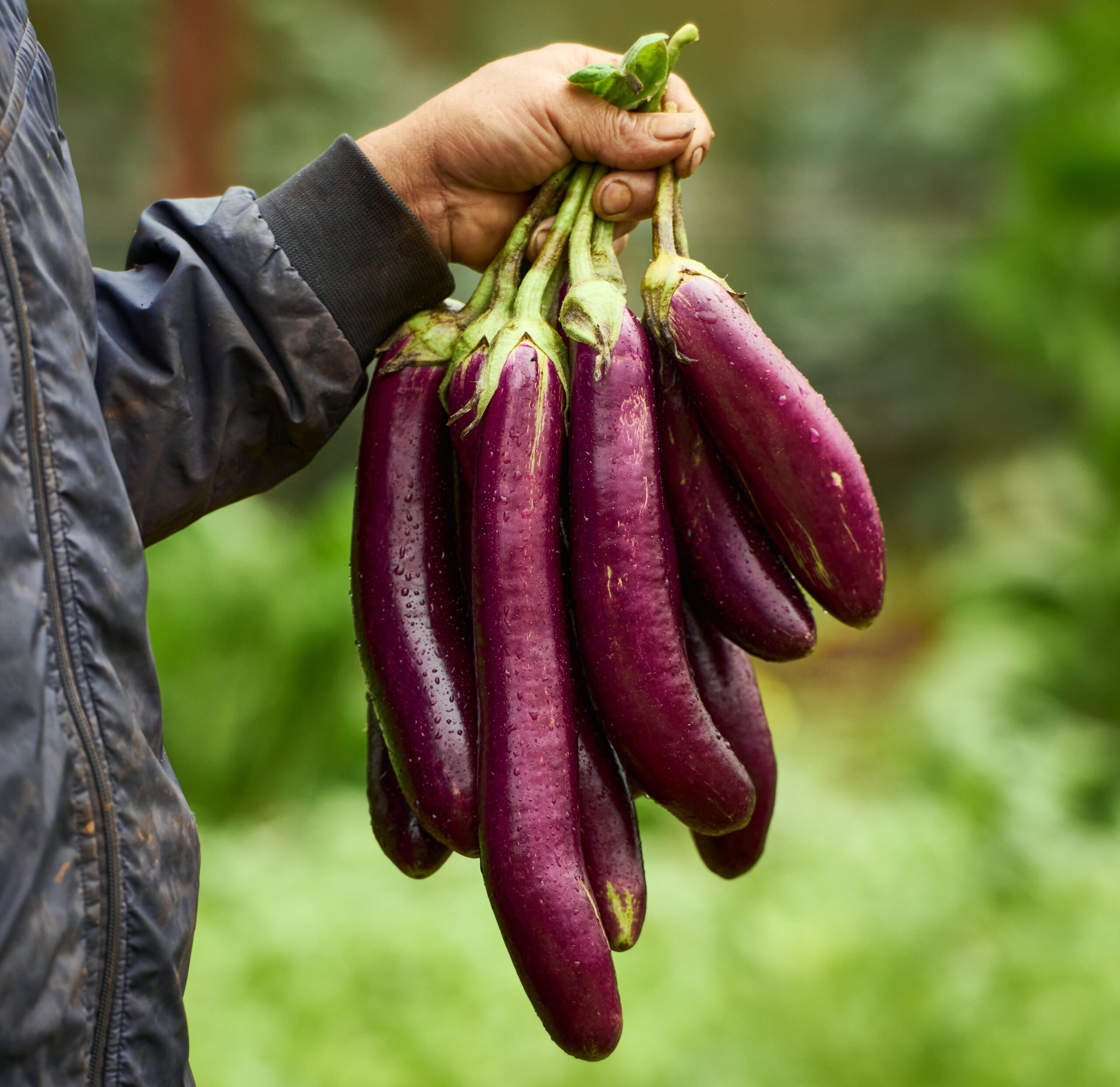
Eggplant is commonly grown in many regions, making it an accessible and locally sourced ingredient. This reduces the need for transportation and supports a lower carbon footprint. One of the key principles of sustainable cooking is reducing waste. Eggplant naturally supports this approach in which its skin is edible, and its flesh can be used in its entirety with minimal loss. This reflects a zero-waste philosophy, where ingredients are treated with intention and used completely, rather than in fragments.
How to cook Eggplant: Techniques that matter
Understanding how to cook eggplant is essential to unlocking its full potential. While the ingredient is versatile, it requires attention to detail.
- Grilling for depth adds smokiness and structure, creating a contrast between charred exterior and soft interior.
- Roasting for richness enhances the natural sweetness of eggplant, resulting in a deeper, more concentrated flavor.
- Braising for absorption allows eggplant to fully absorb sauces, making it ideal for dishes that rely on layered flavor.
- Pan-frying for texture creates a crisp outer layer while maintaining a soft interior, offering a satisfying textural contrast.
From everyday ingredient to contemporary dining
What was once considered a humble vegetable is now being reinterpreted in modern kitchens. Chefs are exploring new ways to elevate eggplant, refining its texture and presentation while maintaining its core qualities. In contemporary dining, eggplant is no longer just a supporting ingredient. It is being repositioned as a central element, capable of carrying complex compositions. Despite these innovations, eggplant retains its original identity. It remains an ingredient defined by balance, adaptability, and quiet presence.
Why Eggplant continues to matter
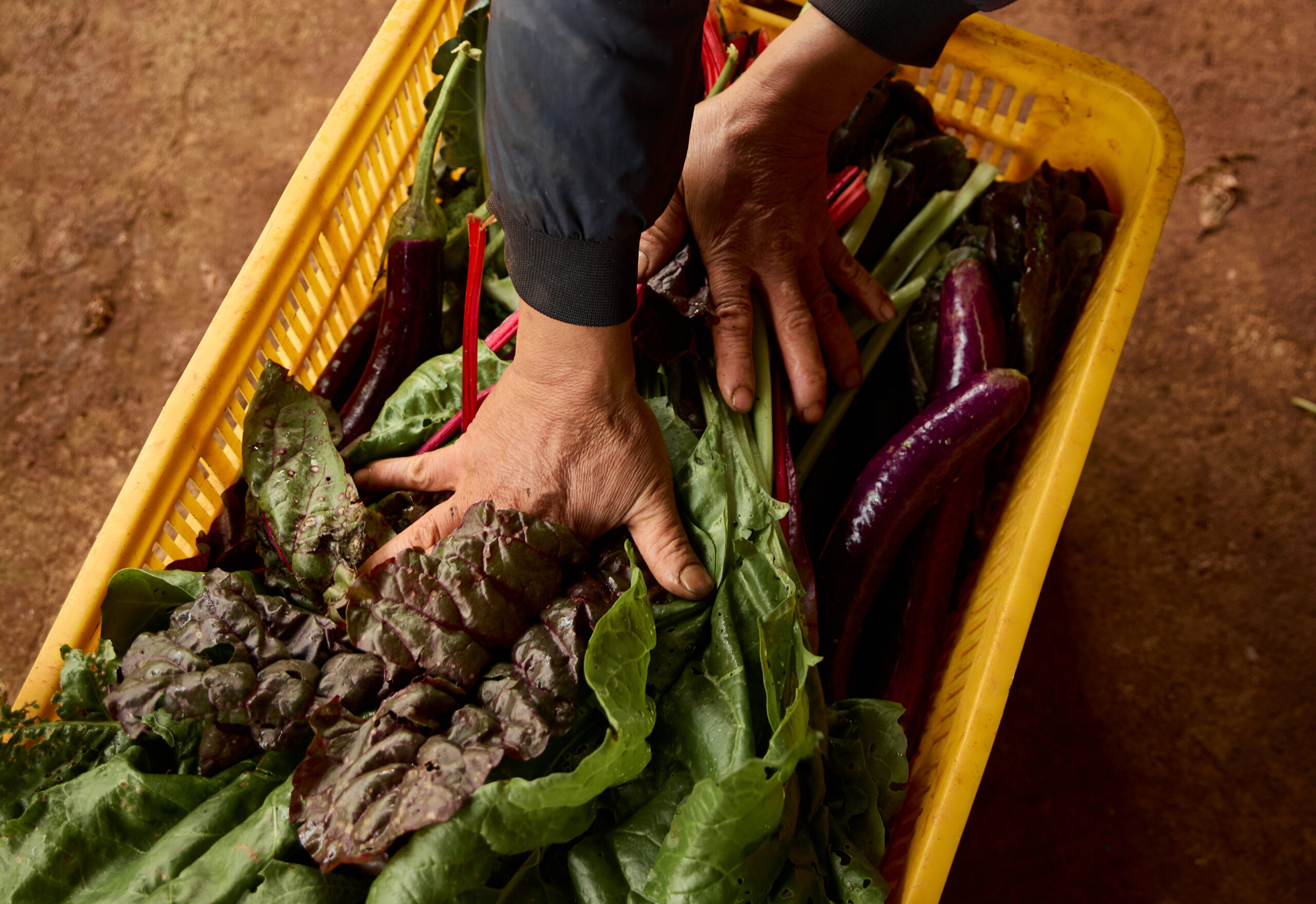
There is something enduring about eggplant that goes beyond trends. Eggplant represents a way of cooking that values intention where ingredients are chosen not just for flavor, but for how they contribute to a larger system. As dining becomes more conscious, ingredients like eggplant will continue to gain importance. They align with the values of sustainability, adaptability, and balance all of which are shaping the future of food.
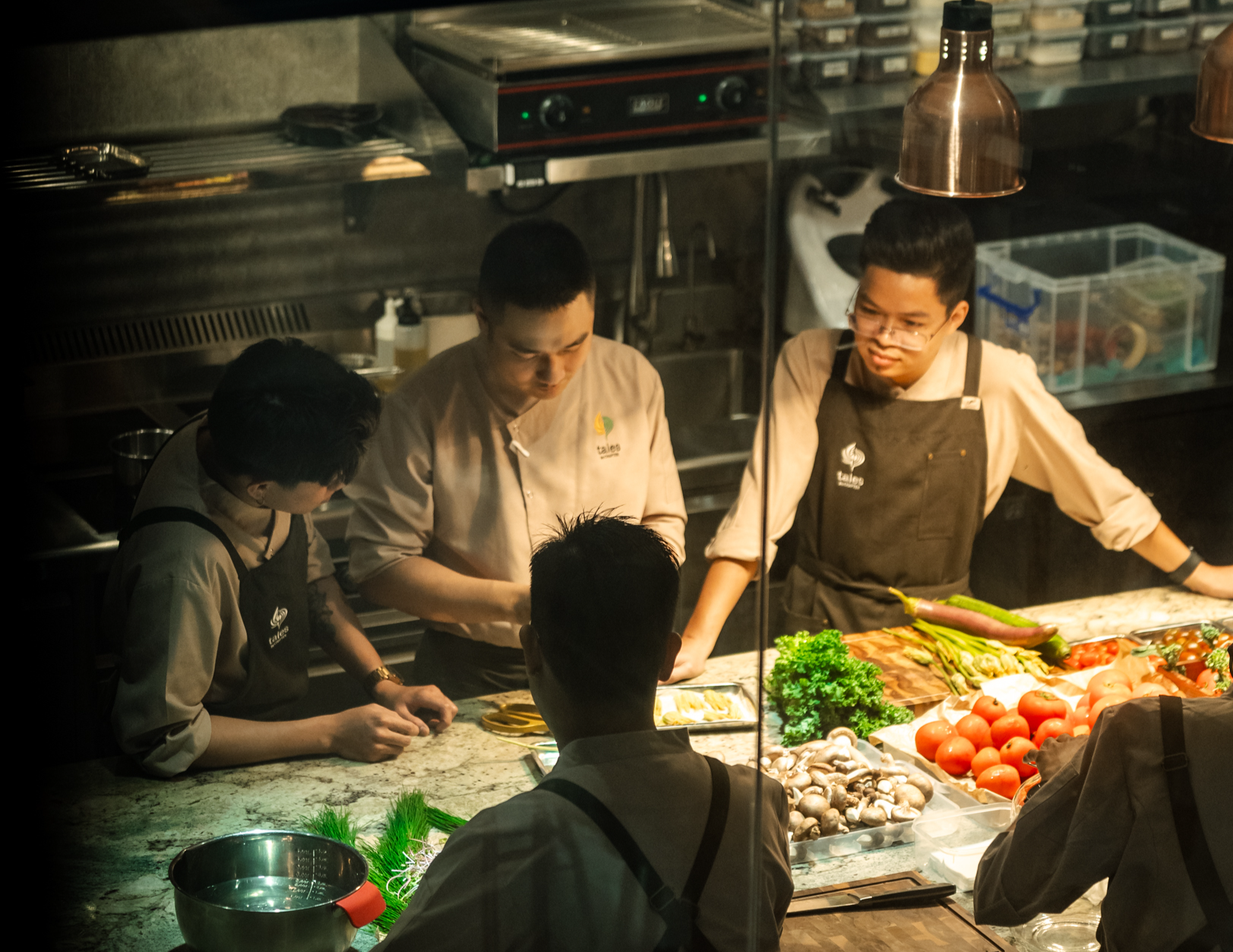
At Tales, this philosophy is expressed in the way each ingredient is approached not only for how it tastes, but for how it is sourced, handled, and ultimately respected. Through plant-based cooking and a commitment to zero waste, even something as familiar as eggplant is reimagined with intention, becoming part of a dining experience that feels both thoughtful and quietly sustainable.
——————————
Tales by Chapter
The first zero waste plant-based dining in Vietnam
Add: 10 Nguyen Thanh Y, Tan Dinh, Ho Chi Minh City
Hotline: +84 368 150 125
E-mail: reservation@talessgn.com – Reservation
Opening hours: 7.00pm – 11.00pm (Closed Sunday)
Discover eggplant through a refined, plant-based lens, where depth, adaptability, and quiet richness come together to shape a balanced and thoughtful dining experience.
Explore eggplant dishes from Vietnamese cuisine to modern plant-based cooking, and discover their role in sustainable, zero-waste dining.


