

Vietnamese vegetarian food is often introduced through meat-free versions of phở, bánh mì or noodle dishes. Yet its most interesting expressions do not need to imitate meat at all. Vegetables, mushrooms, herbs and fermented ingredients can create their own depth when each is treated as a central ingredient. Wild Greens – Enokitake at Tales by Chapter follows this approach. Read on to discover what rau rừng means, how the ingredients complement one another and what vegetarian diners can expect from the experience.
What makes Vietnamese vegetarian food satisfying?
For vegetarian diners, the absence of meat is only a basic requirement. What makes a dish memorable is its ability to create depth through real ingredients: acidity to brighten the palate, gentle bitterness to lengthen the finish, fermentation to add complexity and mushrooms to provide natural umami. Texture matters just as much.

Wild Greens – Enokitake expresses this idea through two ingredients with distinct roles. Depending on the seasonal varieties selected, Vietnamese wild greens may bring fragrance, freshness and a lightly bitter edge. Enoki mushrooms respond with a mild savoury character and a more sustained bite. Together, they show how vegetarian food can feel complete through balance.
What are Vietnamese wild greens?
Rau rừng is commonly translated as “wild vegetables” or “wild greens.” It is not the name of one specific plant. The term can describe edible leaves, herbs and young shoots associated with forests, upland gardens and rural landscapes across Vietnam. Their character changes according to location and season. Some varieties are aromatic and tender, while others may be peppery, gently bitter or slightly astringent.
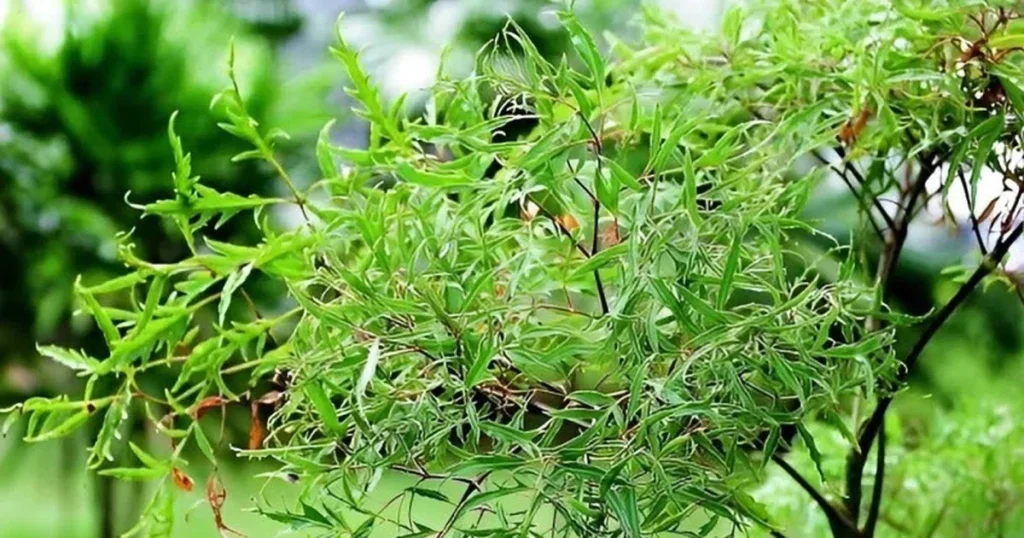
Not every green described as rau rừng is gathered directly from an untouched forest. Some varieties traditionally found in the wild are now cultivated in household gardens or small farms. This distinction matters for diners who value both provenance and responsible sourcing.
Why enokitake works with wild greens
Enokitake, more commonly known as enoki, has a mild savoury flavour and long, fine stems. Its appeal lies as much in texture as in taste. That structure gives the diner something more sustained after the delicacy of the greens. The mushrooms add restrained umami without covering the leaves’ fragrance or natural bitterness.

The pairing is therefore based on contrast:
- The wild greens contribute freshness, aroma and a connection to the landscape.
- Enoki mushrooms bring structure, texture and mild savoury depth.
- Each ingredient remains recognisable rather than being shaped to resemble meat.
For vegetarian diners tired of highly processed substitutes, this relationship offers a more ingredient-led experience. Satisfaction comes from contrast and balance, not from reproducing the texture of animal protein.
What does Wild Greens – Enokitake taste like?
Wild Greens – Enokitake identity comes from the seasonal character of the greens and the natural umami of mushrooms. The exact flavour depends on the greens selected and the kitchen’s current preparation. In general, diners can expect the course to begin with a clean, herbaceous impression. A controlled bitterness or peppery note may follow before the enoki introduces a quieter, more savoury finish.

Texture is equally important. Tender leaves and slender mushrooms create different sensations without making the course feel heavy. The greens keep the palate alert, while the enoki provides enough substance for the flavours to linger.
For international visitors, the course also provides an introduction to Vietnamese plant ingredients beyond the country’s best-known street foods. It shows that contemporary Vietnamese vegetarian food can remain connected to local landscapes without reproducing a traditional recipe.
Who will enjoy this dish?
Wild Greens – Enokitake is suited to vegetarian and vegan diners who prefer whole ingredients to processed meat substitutes. Its delicate flavours may also appeal to guests who enjoy mushrooms, seasonal vegetables and dishes that reveal their complexity gradually.
Culinary travellers can approach the course as an opportunity to understand rau rừng within a contemporary setting. Guests unfamiliar with bitter or highly aromatic greens should keep an open mind, as these flavours are used to create contrast rather than conventional sweetness or richness.

Non-vegetarian diners may also find the course useful for understanding how a plant-based tasting menu builds depth without relying on animal protein. The experience is less about giving something up and more about paying closer attention to ingredients that are often overlooked.
Wild Greens – Enokitake demonstrates that a memorable plant-based course does not need imitation meat or unnecessary complexity. Vietnamese wild greens establish freshness and a sense of place, while enoki mushrooms add texture and restrained umami.
For diners seeking Vietnamese vegetarian food built around real ingredients, seasonality and contemporary technique, this course offers a thoughtful place to begin. Explore Tales by Chapter’s current plant-based tasting menu and reserve your table to experience how wild greens and mushrooms can carry a story of their own.
——————————
Tales by Chapter
The first zero waste plant-based dining in Vietnam
Add: 10 Nguyen Thanh Y, Tan Dinh, Ho Chi Minh City
Hotline: +84 368 150 125
E-mail: reservation@talessgn.com – Reservation
Are you ready to taste the future? Visit us at talessgn.com to book your sustainable dining experience today.

